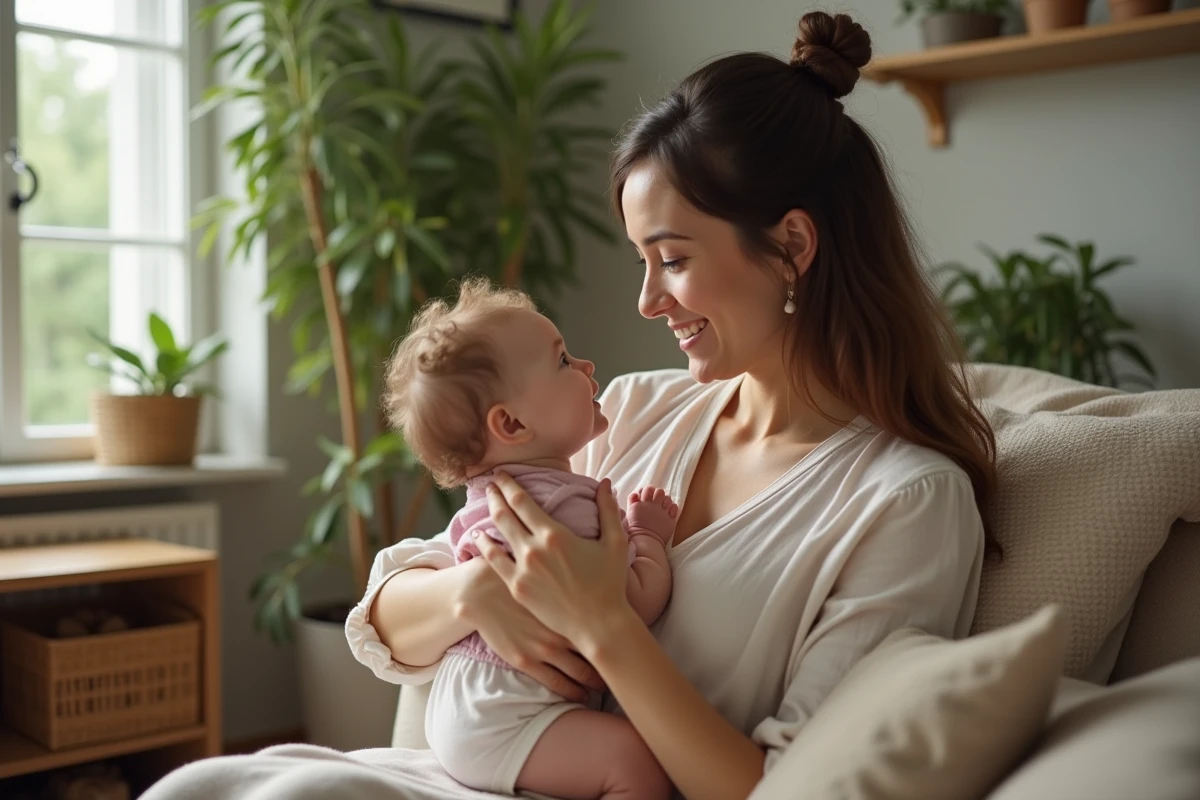
In some European countries, the rate of births without medical intervention reaches 30%, while it remains below 5% elsewhere. Despite official recommendations, the systematic use of epidurals and standardized protocols persists in many hospitals. However, studies show a decrease in maternal stress and optimized physical recovery when the physiology of birth is respected.
Women who wish to experience a more natural birth now have a range of proven methods at their disposal. Whether it involves techniques to alleviate pain without medication, the importance of continuous human support, or specific preparations, all these strategies have been scientifically validated and offer tangible benefits.
Understanding the Different Methods of Natural Birth and Their Benefits
Choosing a natural birth is betting on an authentic experience that is more respectful of the body and the rhythm of the expectant mother. This choice, encouraged by reference organizations such as the WHO or HAS for uncomplicated pregnancies, takes different forms in France. Care is provided by an experienced midwife, sometimes supported by a doula or a highly involved partner. Future parents can thus consider three main environments: birth center, hospital facility, or home, each offering its own organization and specific conditions.
Figures like Maïtie Trélaün, a renowned midwife, have marked the movement with works such as “I’m Giving Birth Soon: What to Do About Pain?” This book has become a valuable guide for many women, revealing techniques to welcome and navigate pain rather than endure it. The same spirit is found in Ina May Gaskin, an American reference, who emphasizes the power and ability of the female body to give life.
Here are the main characteristics of natural birth as highlighted by professionals and feedback from experience:
- Physiological birth: no unnecessary medical intervention, respect for the maternal tempo, attention to the body’s signals.
- Personalized support: continuous presence of the midwife, partner, and sometimes a listening doula.
- Mother-child well-being: faster recovery, reduced stress, feeling of having experienced a significant and meaningful moment.
Preserving the natural dimension of pregnancy also strengthens the mother-child bond from the start. Perrine Alliod, spokesperson for slow maternity, emphasizes the usefulness of the birth plan: a tool to share wishes, establish trust, and prepare for the arrival of the baby. Resources such as those offered by Naturally Mom emphasize kindness and listening, inviting each family to carve their own path towards fulfilling parenthood.
How to Manage Pain Without Epidural: Practical Tips and Reassuring Tricks
Faced with labor pain, many hesitate, fear, and ask a thousand questions. However, more and more women choose to trust their sensations without anesthesia. To prepare for this, there are several complementary approaches that combine technique and human support.
Prenatal yoga stands out for its ability to help the expectant mother tame her breathing, release her pelvis, and strengthen body confidence. Breathing exercises and adapted postures promote relaxation. Other practices like sophrology or hypnosis teach how to mobilize inner resources, dissociate pain from fear, and welcome each contraction with less apprehension.
Tools and Herbs to Support Birth
Several natural or manual solutions are now recognized to help navigate birth:
- The Bonapace method: precise gestures, massages, stimulation of acupressure points, performed in pairs, to modulate the perception of pain.
- The raspberry leaf tea: used from the third trimester, it supports the tonicity of the uterus and encourages more effective contractions, sometimes reducing labor duration.
- Essential oils such as sweet bay, chamomile, or sweet orange, used in diffusion or massage, provide relaxation and emotional comfort. It is advisable to be accompanied by a professional for their use.
The birth plan plays a central role: it allows for clarifying expectations and guiding the healthcare team towards meaningful support. The involvement of the partner, the reassuring presence of the midwife, the contributions of haptonomy or acupuncture all contribute to a more confident and calm birthing experience. Preparing, educating oneself, believing in one’s birthing strength: every parent can draw concrete keys to navigate birth.

Towards Positive Parenting: Supporting Your Child and Thriving Daily
Embracing slow maternity, as conveyed by Perrine Alliod, means choosing a different pace, far from comparisons and ready-made recipes. In this approach, parents and children settle into a calmer atmosphere, where listening and respect for each other take precedence. Family balance then becomes a collective, evolving construction, where everyone gradually finds their place.
Natural nutrition asserts itself as a pillar: prioritizing fresh, organic, seasonal products. Everything industrial or containing unnecessary additives is set aside. Experts like Pauline Benaroch advocate for this approach, highlighting its positive effects on energy, vitality, and emotional stability for both mother and child. A postpartum dietary supplement, chosen on professional advice, can also support this transition period.
Family daily life is also organized around sleep. A simple pregnancy pillow, a soft night light, comfortable maternity clothes: every detail counts to promote peaceful nights and better recovery. To preserve parental energy, it can sometimes be beneficial to delegate certain tasks or carve out quality time away from stress.
Supporting your child day by day also means recognizing their rhythms, welcoming their emotions, and encouraging their discoveries. Positive parenting invites guiding without imposing, nurturing autonomy, and continually adjusting one’s perspective on the role of a parent. On this journey, patience is learned, trust is cultivated, and the family adventure is reinvented, day after day.