Some destinations evoke a rare feeling, that of stepping into a setting that shouldn’t exist outside of an illustrated book. Organizing a magical trip around the world is not just about ticking off famous places on a map. The choice of pace, mode of transport, and season transforms a simple journey into a lasting sensory experience.
Magical Travel: What Distinguishes a Memorable Itinerary from a Catalog of Places
Have you ever noticed that two travelers visiting the same place return with opposing stories? One describes a suspended moment, while the other recounts a queue. The difference rarely lies in the destination itself.
A magical itinerary relies on three concrete choices: arriving at the right time of day, limiting internal travel to stay immersed in a place, and accepting not to see everything. Soaring over Cappadocia in a hot air balloon at dawn creates an effect that the same activity at noon does not replicate. Walking through Colmar early in the morning, when the canals reflect the half-timbered facades without the crowds, changes the perception of the place.
In recent years, several European regions have offered itineraries accessible without flying, combining night trains, ferries, and public transport. The Swiss Alps, Slovenia, and northern Italy are among the destinations promoting reduced carbon footprints compared to flying, according to data from the European Environment Agency published in 2023.
This type of journey, slower, adds a contemplative dimension to travel. It’s the approach found on voyageaupaysdesmerveilles.com, where slowness becomes a conscious choice.
Magical Destinations in Europe: Fairy-Tale Landscapes Accessible by Train
Europe boasts an unusual density of landscapes that seem unreal, often just a few hours apart by train.
Colmar and the Alsace Wine Route
The brightly painted half-timbered houses, flower-filled canals, and medieval streets of Colmar recall settings that may have inspired several animated films. The city is best explored on foot. The interest increases if one extends to the neighboring wine villages, where vineyards climb wooded hills.
Slovenia: Lake Bled and the Soča Valley
Lake Bled, with its central island accessible by traditional boat, remains the most widely shared image. What photos show less is the Soča Valley, whose turquoise water flows through narrow gorges in almost complete silence off-season. Slovenia is particularly suited for public transport circuits, an advantage for travelers looking to reduce their footprint.
Cappadocia: An Extraordinary Volcanic Landscape
The rock formations of Cappadocia, sculpted by wind and rain on volcanic soil, create an unparalleled landscape. The cave dwellings and hot air balloon flights at sunrise anchor this place among the most photographed magical destinations in the world.
Multi-Generational Travel to Dream Destinations
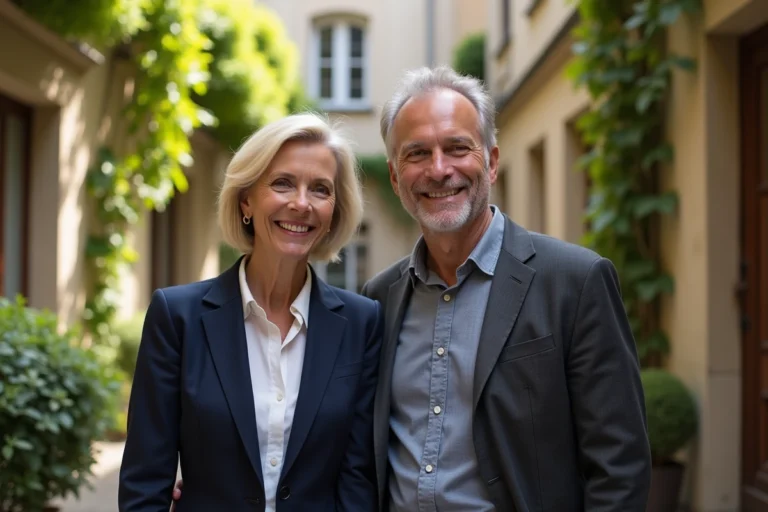
Since the post-pandemic period, trend reports from the World Tourism Organization and major tour operators have noted a marked increase in trips bringing together multiple generations. Grandparents, parents, and children travel together to mountain regions, lakes, and picturesque villages.
This format changes the selection criteria. Spacious accommodations (villa, chalet, entire house) are preferred over hotels, a pace suitable for both the young and the elderly, and activities that work for everyone without requiring specific physical fitness.
- Alpine mountain villages (Switzerland, Austria, northern Italy) offer accessible trails, spectacular landscapes, and infrastructure suited for extended families.
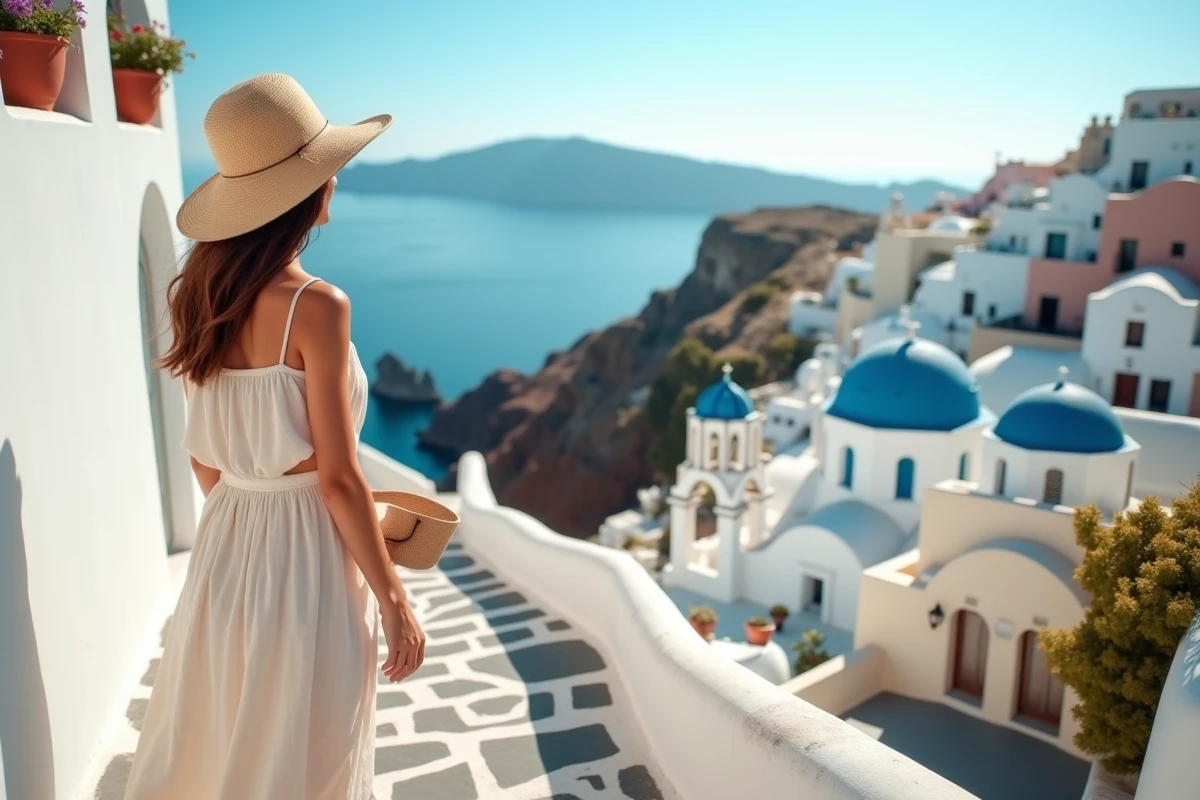
- The Greek islands off-season combine quiet beaches, archaeological sites, and local cuisine that appeals to all generations.
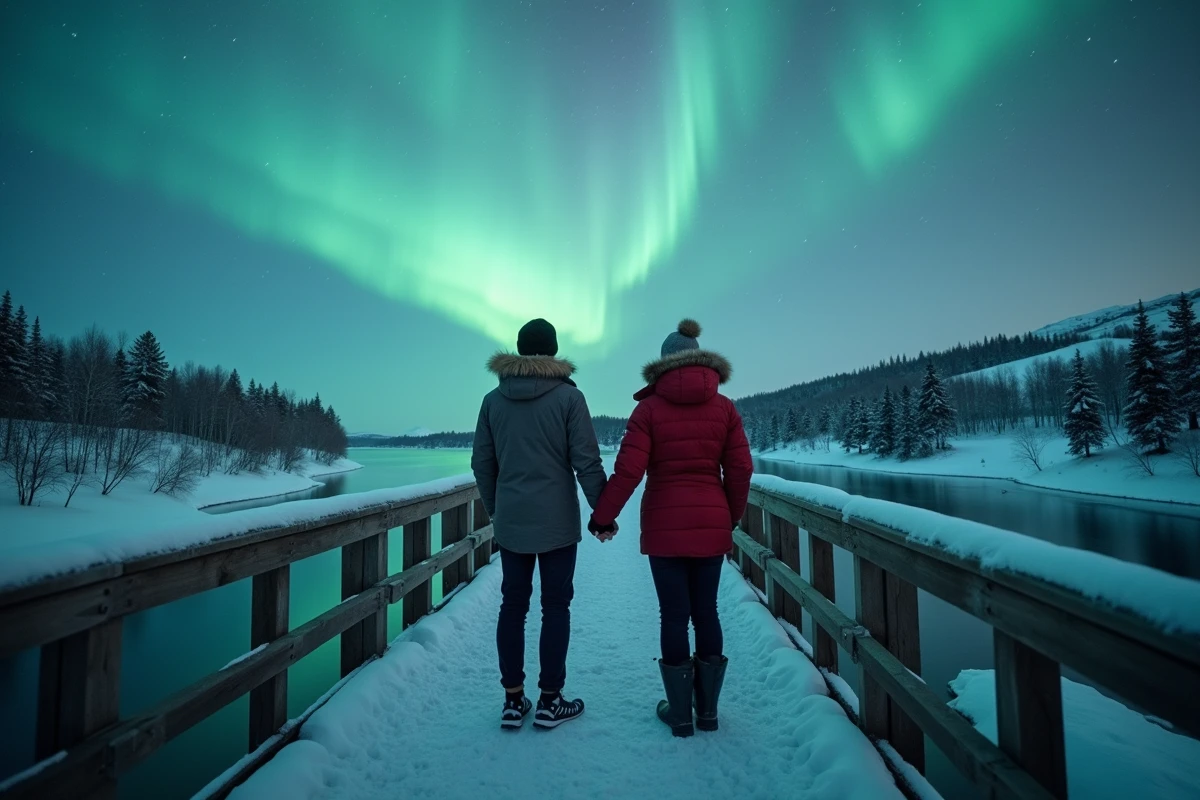
- The Scandinavian lake regions offer isolated cabins, the possibility of observing the Northern Lights in winter, and a tranquility hard to find in more frequented destinations.
Regenerative Tourism: Participating in the Magic Instead of Consuming It
Since 2023, several countries considered dream destinations (Iceland, Greece, Nordic countries) have integrated concrete restoration actions into their nature stays. Reports from the UNWTO on sustainable tourism describe this trend as regenerative tourism.
In practice, this means that travelers participate in tree planting, beach clean-ups, or trail protection during their stay. The activity typically lasts half a day and is incorporated into the program as an excursion.
This model changes the relationship to the place. One no longer simply photographs a landscape; one contributes to its preservation. For a family or multi-generational trip, it’s also a way to pass on a different relationship with the world to the younger generations.
Organizing a Magical Trip: The Key Decisions
The success of such a trip relies less on the budget than on a few decisions made in advance.
- Choose the season based on light and attendance, not ticket price. A magical village crowded in August loses its charm; the same one in October regains it.
- Limit the number of destinations per week. Two well-explored places leave a greater mark than five skimmed over.
- Check land transport options before booking a domestic flight. Train or ferry journeys add landscapes to the trip instead of removing them.
- Book accommodations that are part of the experience: cave house in Cappadocia, wooden chalet in Scandinavia, village house in Alsace.
A magical trip does not require traversing the entire planet. Three or four carefully chosen places are enough to create lasting memories. Slowness, the choice of season, and attention to the mode of transport contribute more to wonder than a hastily checked list of twenty destinations.