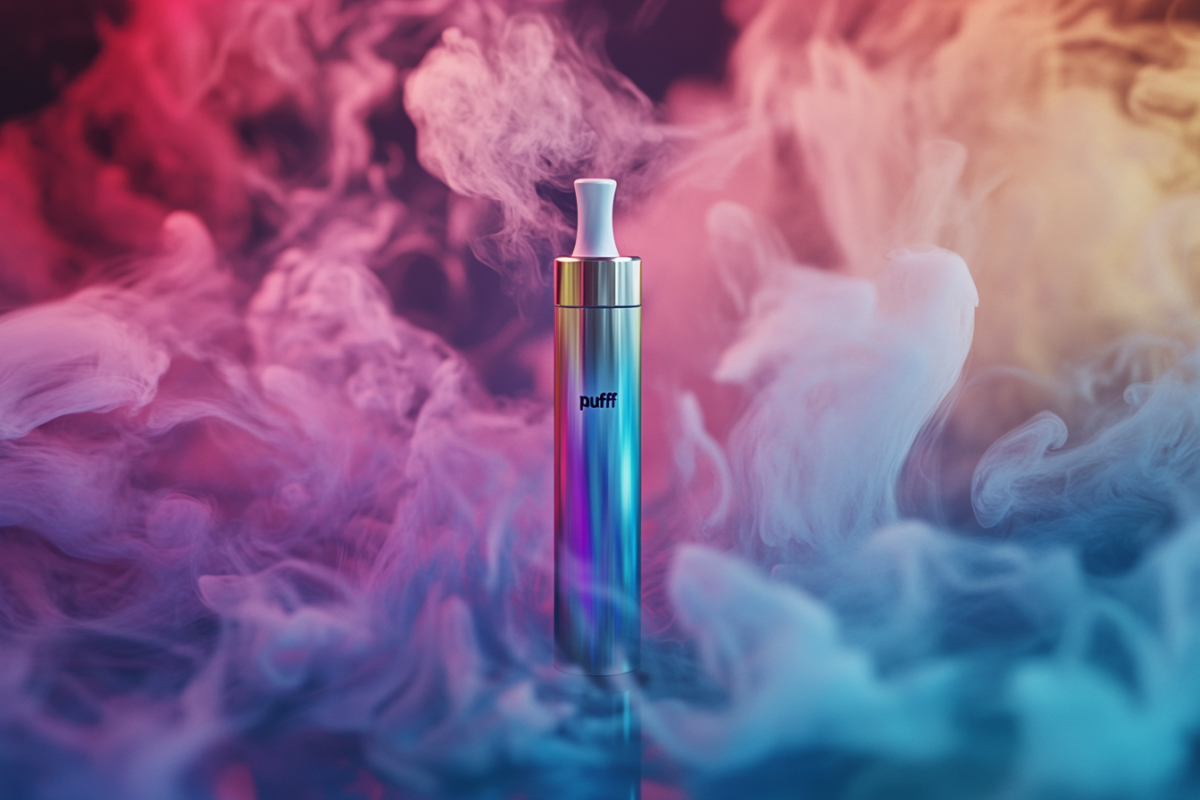
The term puff has become ubiquitous in modern lexicon, especially among young people. This device, which emerged only a few years ago, comes in the form of a disposable electronic cigarette, often flavored, and touted for its accessibility and ease of use. But behind this innocuous appearance lies an intense debate about the potential health dangers it may pose. Fueled by enticing marketing campaigns, the puff attracts as much as it worries. So, what do we really know about the risks associated with its use?
The Components of the Puff: What Do They Really Contain?
To understand the potential danger of the puff, it is essential to examine its components. Public health officials have begun to closely investigate the ingredients contained in these small disposable electronic cigarettes.
- Nicotine: Like traditional cigarettes, the puff often contains nicotine, which is an addictive substance. This presence can promote rapid dependence, even among occasional users.
- Flavors: Puffs are available in an impressive variety of flavors that particularly attract young people. While these flavors are pleasant, some chemical components used to create them can be harmful when inhaled.
- Volatile chemicals: Like other vaping devices, puffs can contain potentially dangerous chemicals when heated and inhaled, such as formaldehydes.
- Solvents: Solvents like propylene glycol and vegetable glycerin are used in the production of vapor, and studies suggest they can transform into dangerous compounds during vaporization.
Health Effects: An Alarming Assessment?
While some people view the puff as a less harmful alternative to traditional cigarettes, research is beginning to reveal a more complex reality. The health impact of these devices is increasingly concerning.
Health professionals have identified several potential adverse effects associated with puff use. A recent study highlighted the increased risk of respiratory problems due to the inhalation of chemical substances present in the vapor. These problems can include irritation of the airways, persistent coughing, and even a decrease in lung function. Additionally, the impact of nicotine on the developing brains of young users is a growing concern, as it can affect memory, concentration, and impulse control.
A Social and Cultural Phenomenon: Why Does the Puff Attract So Much?
The popularity of the puff cannot be understood without considering its social and cultural aspects. It has become a true fashion phenomenon among younger generations.
- Accessibility: Puffs are easy to purchase, often available in outlets accessible to teenagers, despite legal restrictions.
- Aesthetics and practicality: With their colorful and compact design, they easily fit into a pair of jeans or a handbag, adding a touch of modernity to their user.
- Influence of social media: On Instagram, TikTok, and other platforms, thousands of posts feature young people using puffs, reinforcing their appeal and normalization.
- Group effect: As often with trends, the simple fact that everyone is doing it is enough to persuade the more hesitant to give it a try.
Regulation and Awareness: What Actions Should Be Taken?
In the face of the rapid rise of puffs, governments and public health organizations are striving to implement measures to protect consumers, particularly the young.
Awareness campaigns are increasingly being launched to inform about the potential dangers associated with the use of these devices. The focus is on educating young people about health risks. Regulations are also evolving, with proposed laws to limit the sale and advertising of puffs, particularly those targeting minors. It is imperative to continue monitoring the impact of these efforts on long-term puff usage.
Beyond scientific data and social debates, the future of the puff will largely depend on how society chooses to respond to current concerns. Even though the enthusiasm for these devices is evident, questions about their safety are far from being resolved. A balance between innovation, regulation, and education is necessary to ensure user safety. Vigilance remains essential, as the history of smoking has shown that dangers can take decades to fully manifest.